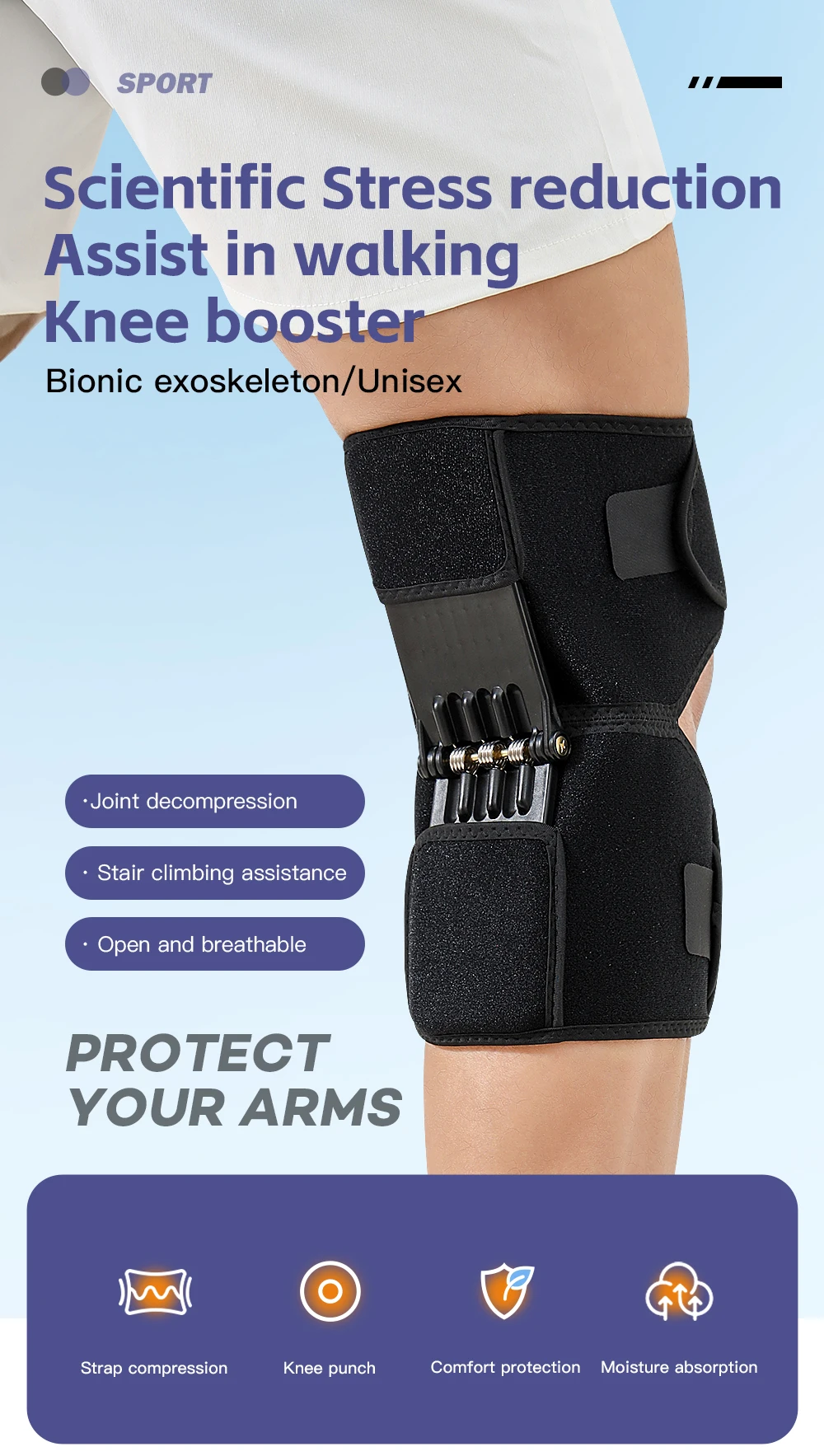
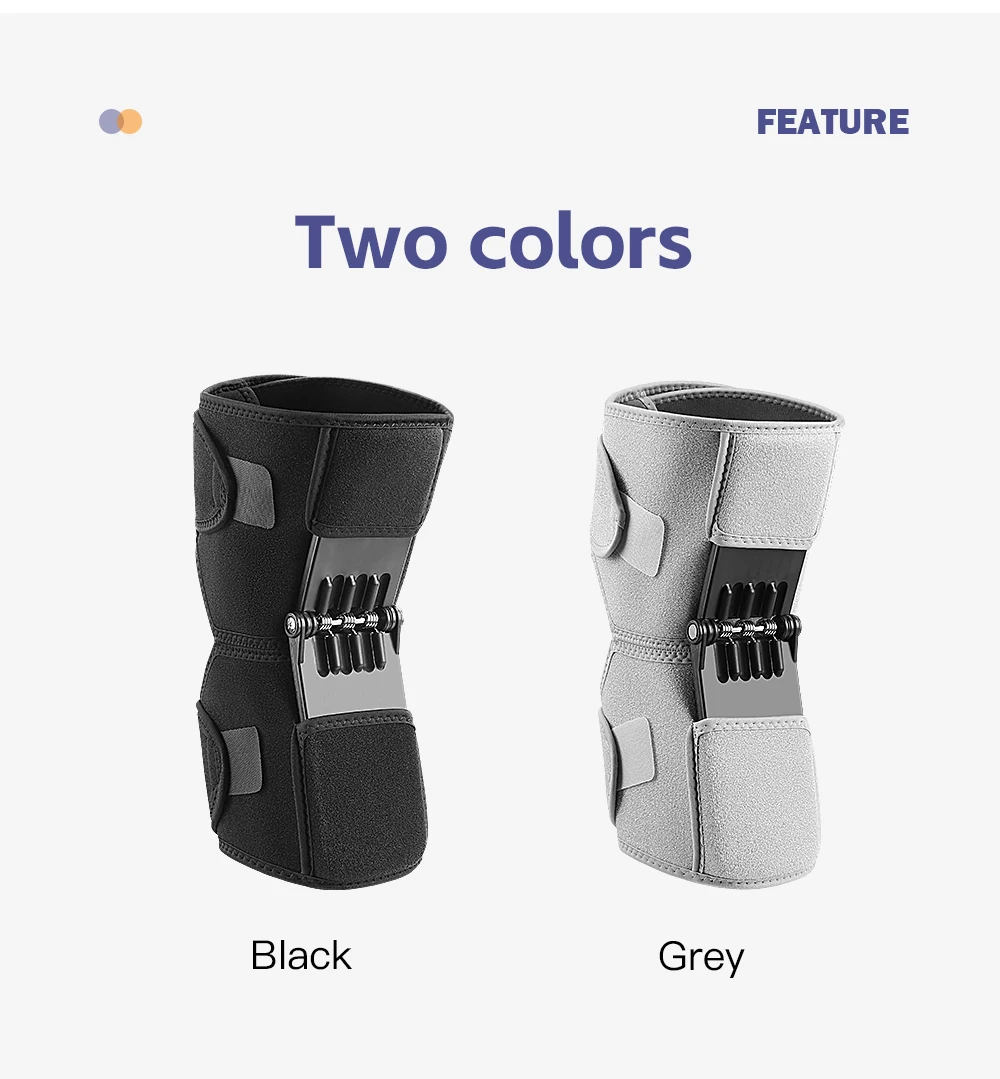
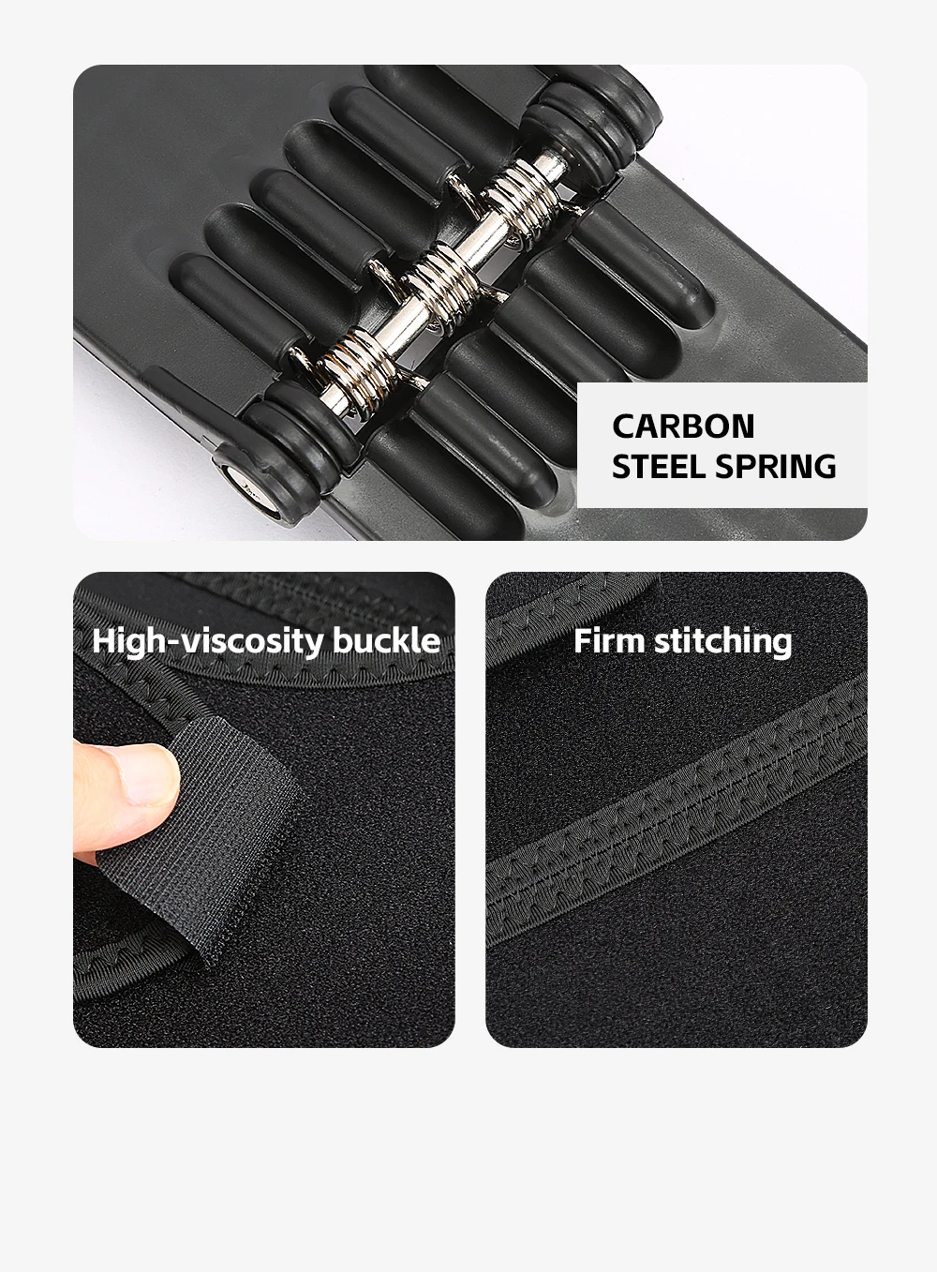
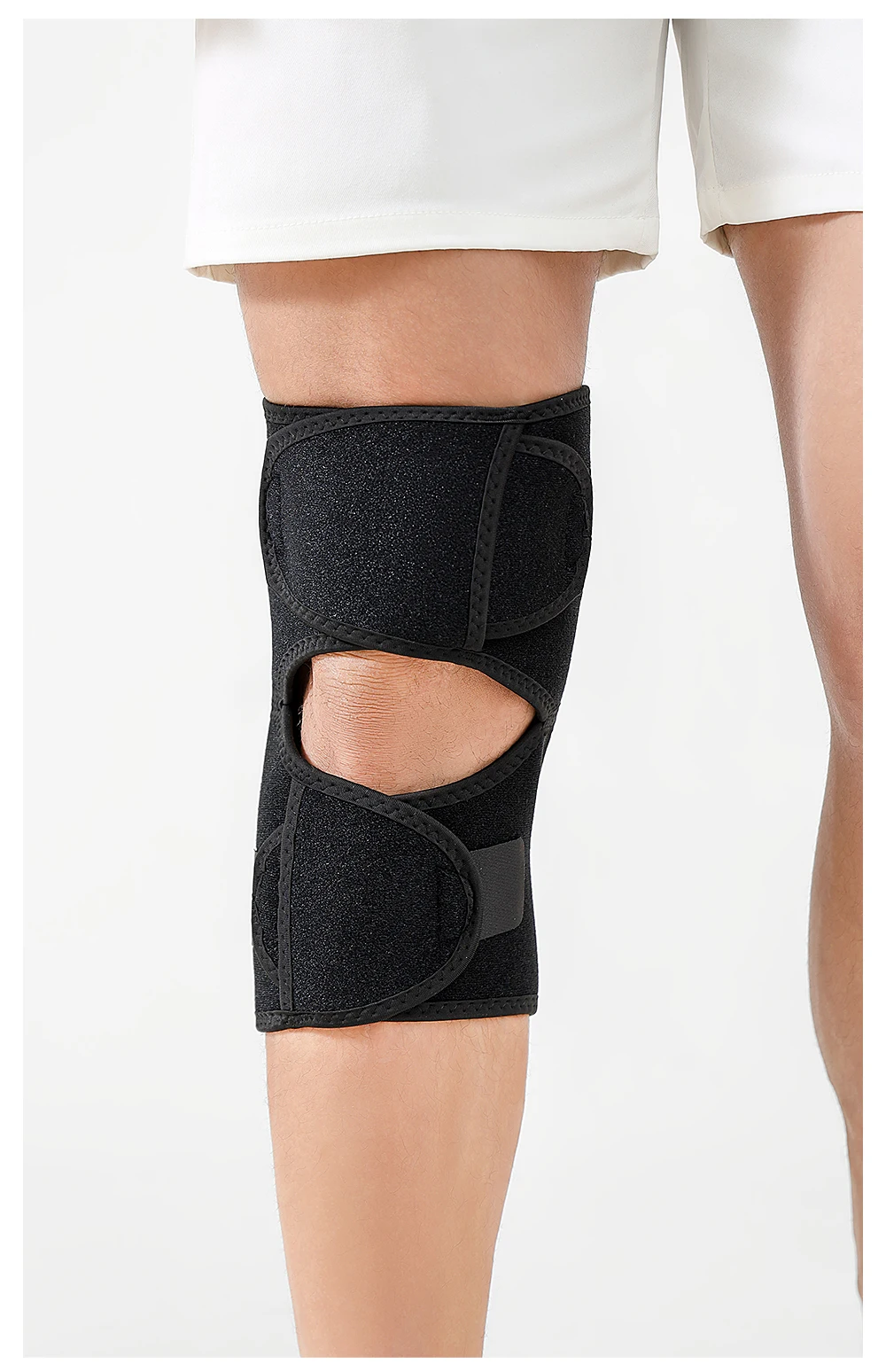
The knee brace is a protective device designed to provide support, reduce pressure, and assist in knee movement. Below is an introduction to its selling points, applicable scenarios, and target audience:
Product sales points
Pressure relief support:
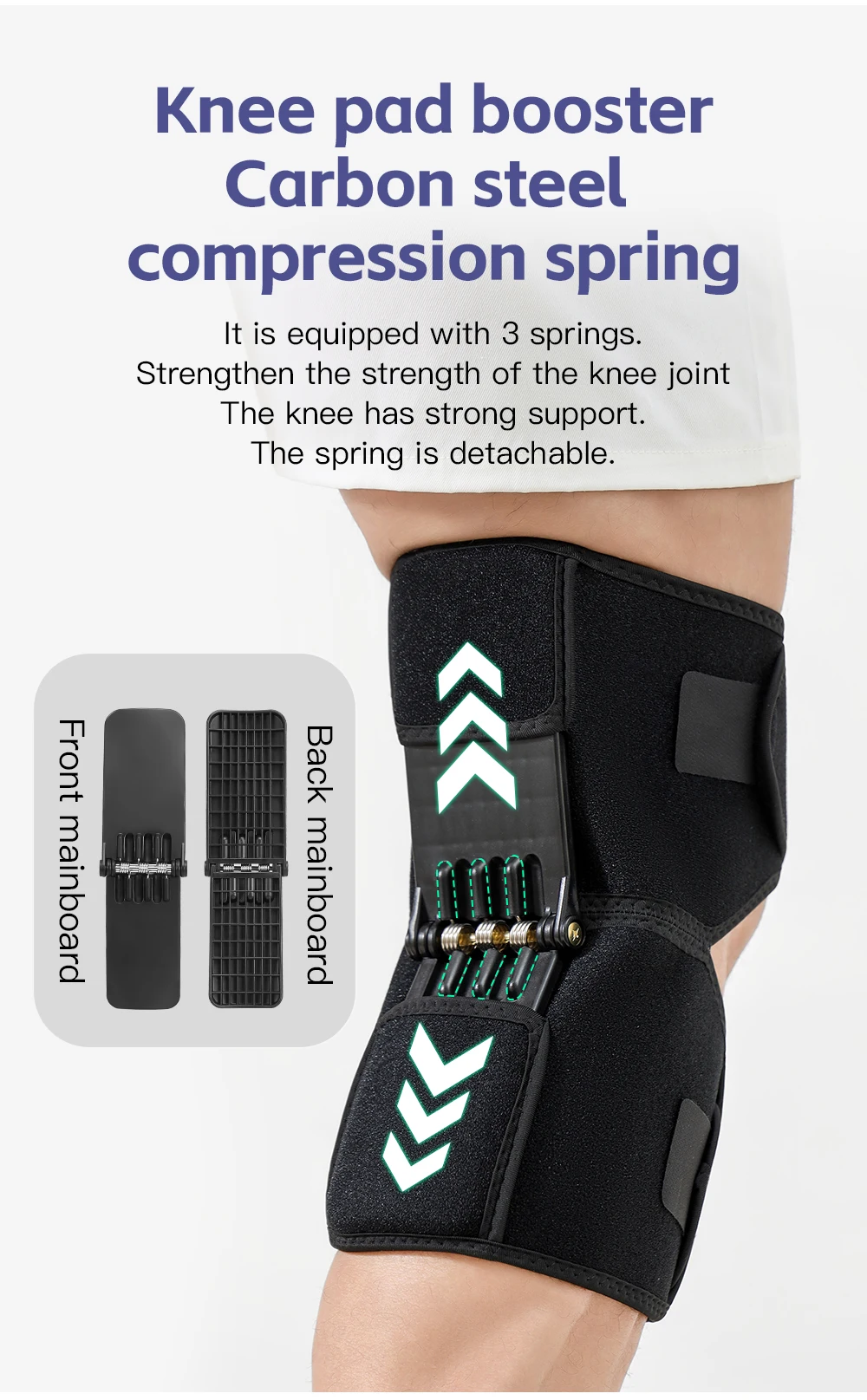
The use of high-strength flexible materials or mechanical support structures can effectively stabilize the knee, dynamically distribute the weight-bearing pressure on the knee joint, and reduce wear on the articular cartilage surface. This helps in completing squatting and walking movements, thereby reducing the risk of joint injuries during exercise.
Comfortable and breathable:
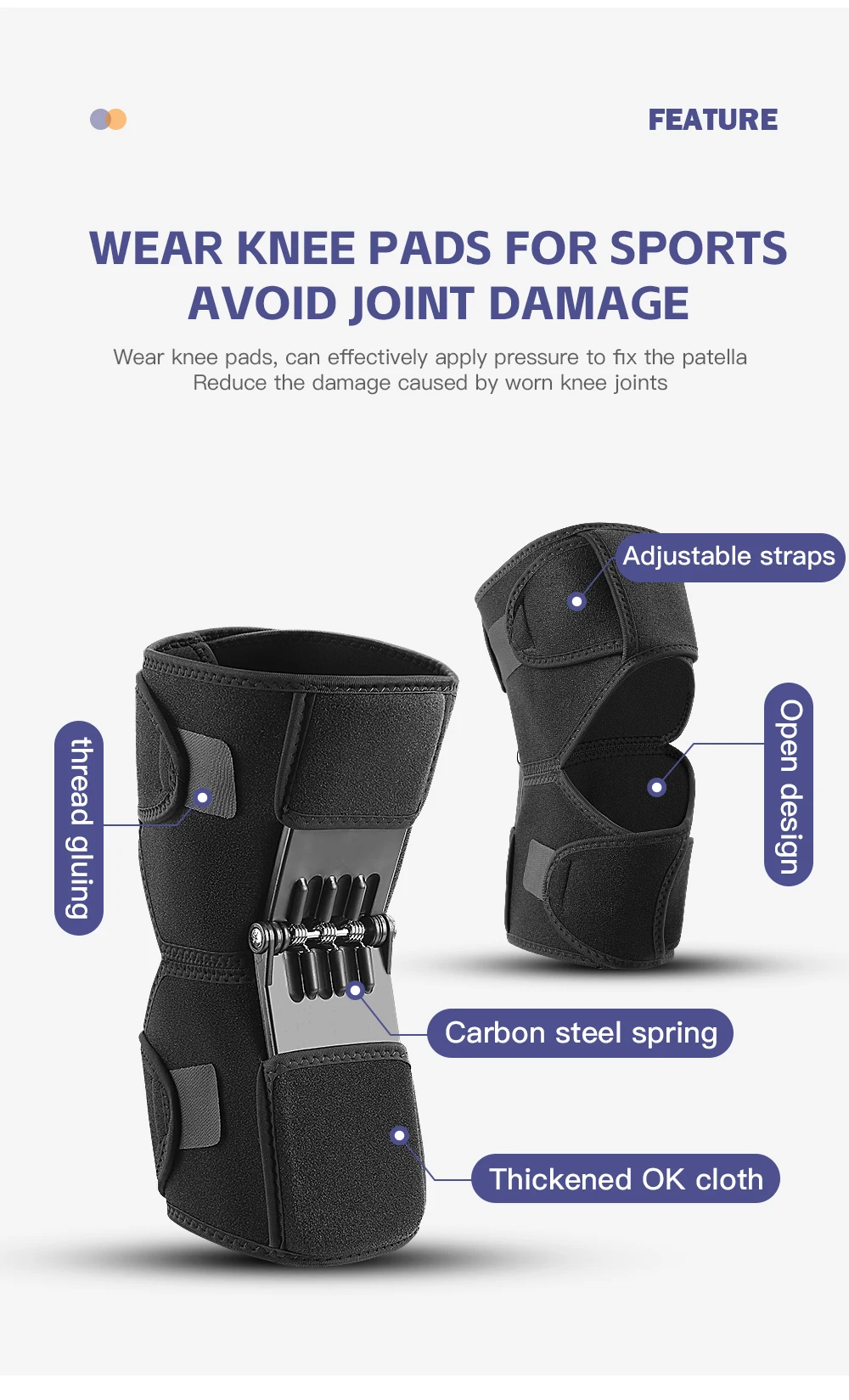
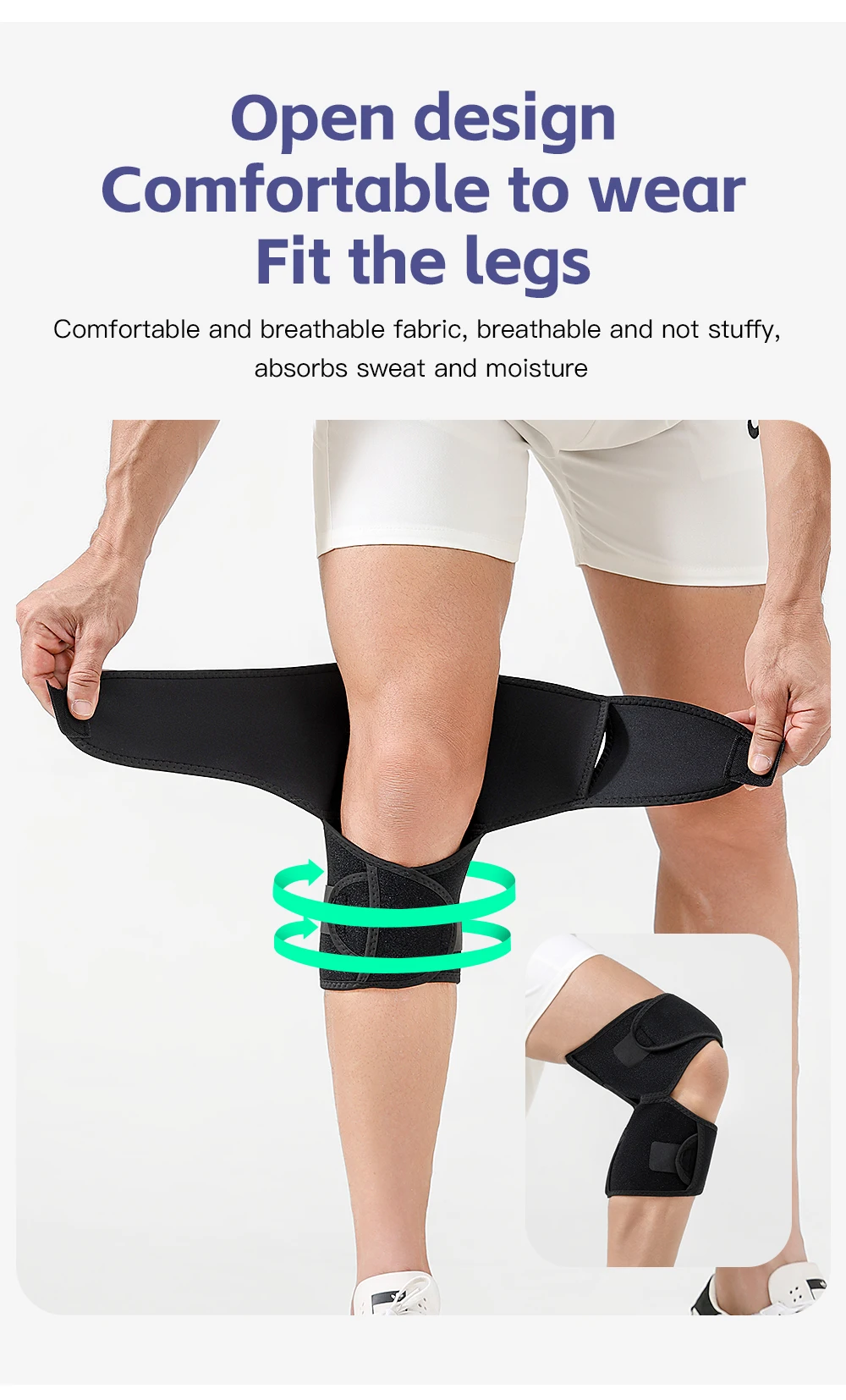
Choose highly breathable fabrics such as mesh fabrics in a honeycomb shape, lightweight moisture-wicking fabrics, and so on. To ensure the skin stays dry and comfortable when worn for long periods; the interior is also equipped with soft padding to prevent skin friction injuries, and some are engineered to wrap around joints and legs with a 360-degree fit, providing a stable and comfortable wearing experience.
Flexible modification:
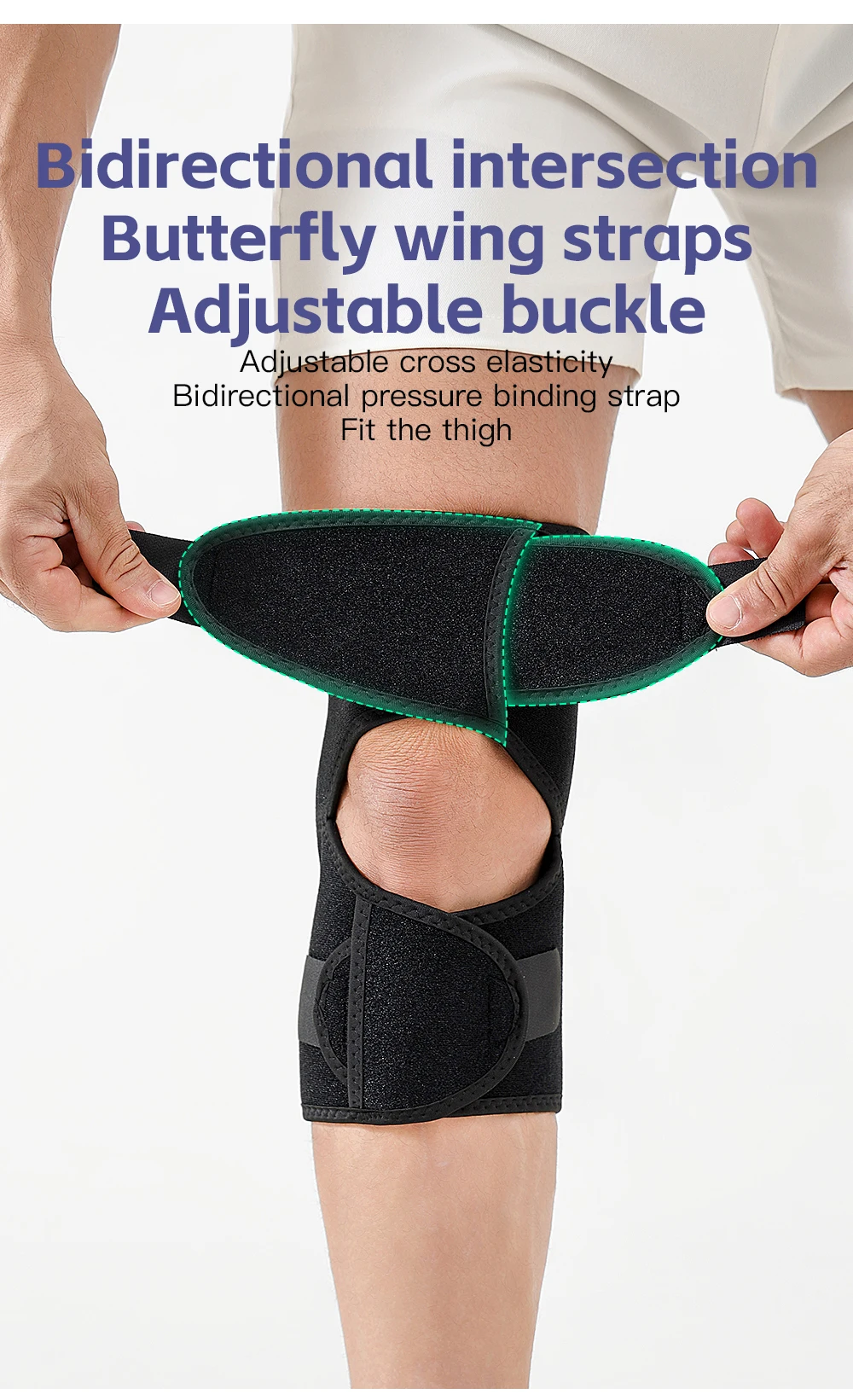
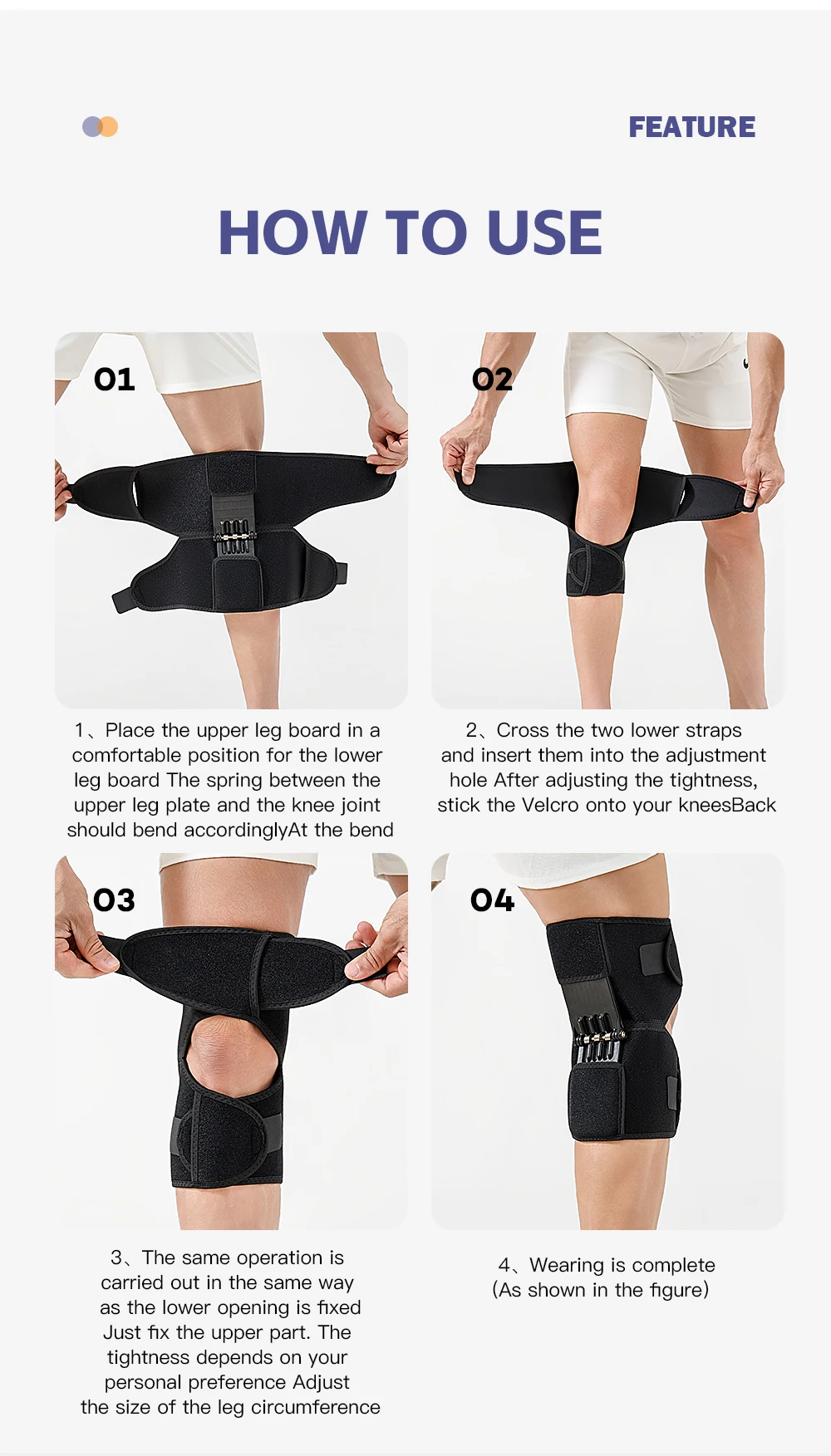
Equipped with a patented structure like Velcro, or buckle straps, or dual-path Velcro alongside elastic bands, the flexibility can be freely adjusted to meet the protection needs of different users and adapt to various leg shapes.
Smart Assistance:
Providing corresponding assistive strength, enhancing leg strength, and reducing the risk of falling.
Strong and beautiful:
Carefully selected materials to ensure durability; the design is simple and elegant, with harmonious color matching that can be paired with different outfits.
Applied scenarios
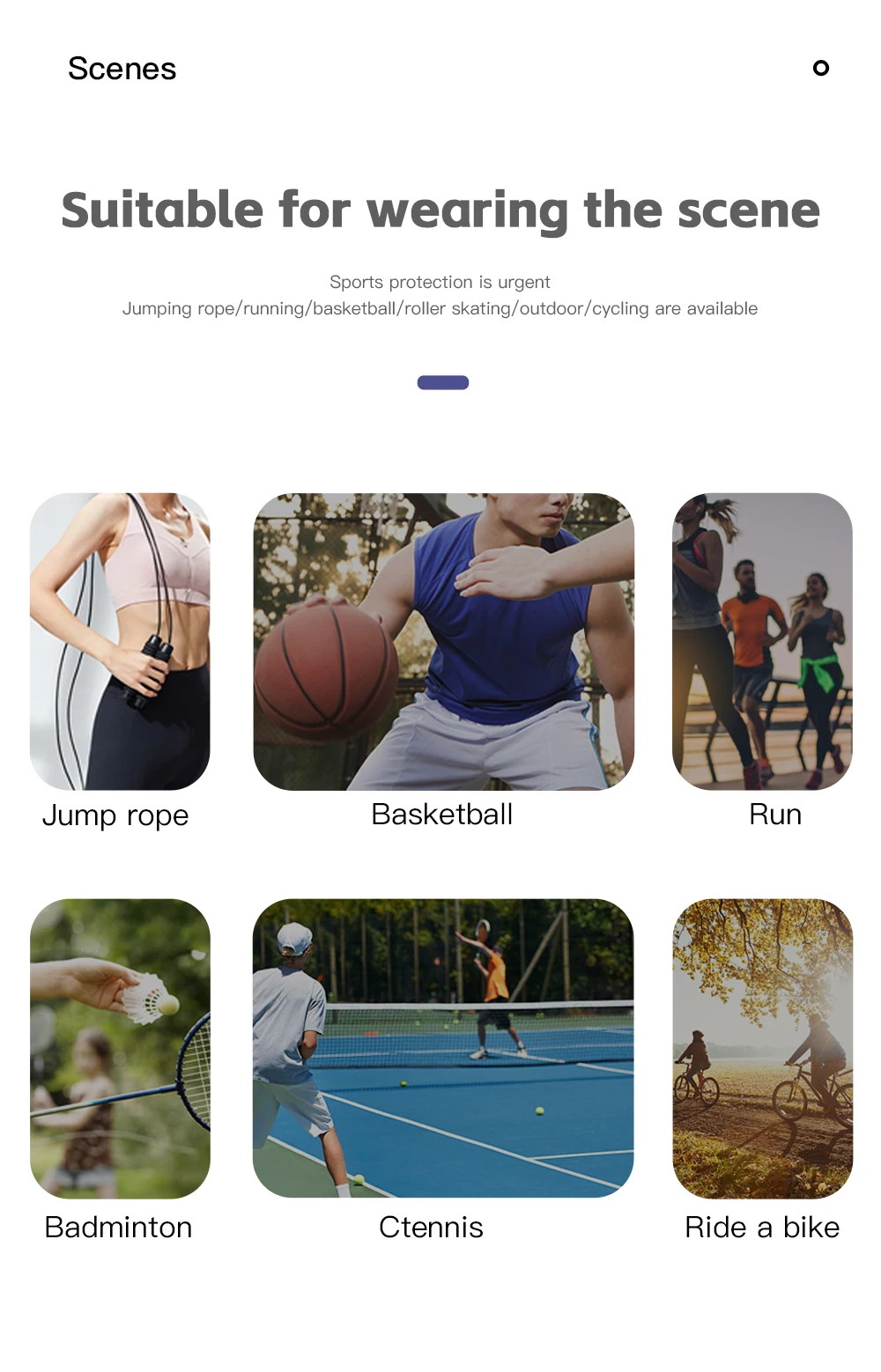
The sports scene:
In various sports such as running, basketball, hiking, and so on, acute injuries can be prevented, and long-term exercise can reduce wear on the knee joints, helping sports enthusiasts perform better at their level.
Daily activities:
Suitable for seniors for daily walking and climbing stairs, and for professionals who need to stand or walk for long periods in their work, reducing knee strain and alleviating knee joint stress.
Rehabilitation scenario:
Suitable for the rehabilitation period after knee joint surgery, and assisting patients in rehabilitation training and improving rehabilitation efficiency; it can also help patients with acute muscle and ligament injuries protect their knees during the healing process.
To the crowd
Middle-aged and elderly people:
As people age, the function of the knee joint gradually declines, leading to joint pain, difficulty in movement, and other issues. Knee pads and braces can alleviate knee discomfort caused by aging, prevent and delay joint deformities, help them move more freely, and improve their quality of life.
Sports lovers:
Intense repeated exercise can put significant stress on the knees and increase the risk of injury. Knee pads and braces can provide support and protection, reduce the likelihood of sports injuries, and help them complete exercise movements more effectively.
Patients suffering from knee injuries or diseases:
For patients suffering from meniscus injuries, ligament injuries, osteoarthritis, as well as those undergoing rehabilitation after knee surgery and acute muscle and ligament injuries, knee pads can relieve joint pain, help restore the natural range of joint motion, and assist in rehabilitation training.
Residents suffering from obesity:
With a greater body weight, the pressure on the knees increases during exercise or daily activities. Knee pads and braces help reduce the risk of knee injury by distributing the pressure.
A long crowd sitting and standing:
For office workers and service providers, maintaining the same position for a long time can easily lead to knee joint fatigue. Knee pads and braces can alleviate fatigue and prevent knee joint diseases.